
Leading Foundation Repair Products To Address Common Structural Challenges
Identify top products designed to resolve typical foundation problems and ensure your home’s stability.
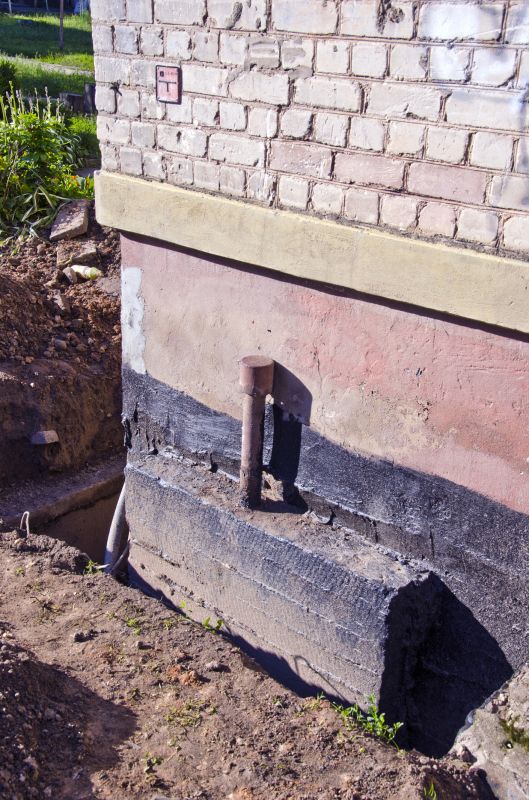 Foundation repairs are a critical aspect of maintaining the structural integrity of a building, especially in regions like Ironton, OH, where soil conditions and weather patterns can impact the stability of foundations. When considering foundation repair products, homeowners and contractors should focus on solutions that provide reliable support and long-term durability. These products range from hydraulic jacks and underpinning systems to epoxy injections and soil stabilization materials. Each type serves a specific purpose, addressing issues such as settling, cracking, or shifting foundations. Selecting the appropriate product requires understanding the nature of the foundation problem and the underlying soil conditions.
Top Overall Option
Steel Push Columns
Steel push columns are versatile and durable supports used to lift and stabilize foundations. They are often employed in underpinning applications to provide reliable vertical support, especially in cases of settlement or sinking. Their adjustable height allows for precise leveling, and they are suitable for a wide range of foundation types. Proper installation by professionals ensures long-lasting stability, making them a popular choice for foundation repair projects.
Types of Products For Foundation Repairs
Hydraulic Lift Jacks
Used to lift and level foundations during repair and stabilization processes.
Underpinning Systems
Support systems designed to strengthen and stabilize sinking or settling foundations.
Epoxy and Polyurethane Injections
Seal cracks and reinforce concrete surfaces to prevent further damage.
Helical Piers
Deep foundation supports that are screwed into the soil to provide stability.
Push Piers
Driven into the ground beneath the foundation to lift and stabilize.
Steel Push Columns
Adjustable supports used for lifting and stabilizing foundations.
Soil Stabilization Grouts
Materials used to improve soil bearing capacity and reduce shifting.
Carbon Fiber Reinforcement
Applied to concrete surfaces to strengthen cracks and prevent expansion.
Basement Wall Anchors
Stabilize bowing or cracked basement walls from within.
Mud Jacking and Slab Lifting
Raising sunken concrete slabs to level surfaces and prevent further settlement.
Soil Grouting Systems
Injectable materials to fill voids and stabilize soil around foundations.
Concrete Crack Repair Kits
DIY solutions for sealing small cracks and preventing water intrusion.
Foundation Waterproofing Membranes
Protect foundations from water penetration and related damage.
Vibratory Compaction Equipment
Tools used to compact soil and improve foundation support.
Anchor Bolts and Plates
Reinforce and secure foundation walls to the structure.
Soil Stabilization Polymers
Chemical solutions that bind soil particles for increased stability.
Popular Choices
Commonly used to lift and level uneven foundations efficiently.
Widely selected for their strength and adaptability in foundation stabilization.
Popular for sealing cracks and restoring concrete integrity.
Favored for deep soil support in challenging ground conditions.
Frequently chosen for stabilizing bowing basement walls.
Effective in improving soil load-bearing capacity around foundations.
Used for quick and minimally invasive slab lifting.
Popular for preparing soil before foundation work.
Commonly installed to prevent water-related foundation issues.
Frequently selected for reinforcing cracked concrete surfaces.
Popular for raising sunken concrete slabs with minimal disruption.
Widely used to secure foundation walls to the structure.
Chosen for their ability to lift and stabilize foundations deeply rooted in soil.
Trusted for filling voids and stabilizing soil in foundation areas.
Used for sealing small cracks and preventing water intrusion.
Popular for their durability and adjustability in foundation support.
In addition to structural supports, there are products designed to reinforce and stabilize existing foundations. These include helical piers, push piers, and steel push columns, which are installed beneath the foundation to lift and stabilize it. For minor cracks and surface damage, epoxy or polyurethane injections can help seal and reinforce concrete. Soil stabilization products, such as grouts and chemical injections, are used to improve the bearing capacity of problematic soil types. Proper installation and compatibility with the specific foundation type are essential for effective repairs.
It is also important to consider the longevity and maintenance requirements of foundation repair products. Some solutions are designed for permanent support, while others may require periodic inspection and maintenance. Professional assessment is often recommended to determine the most suitable products and methods for each unique situation. When choosing foundation repair products, it is vital to prioritize quality and compatibility with existing structures to ensure safety and stability over time. Proper selection and installation can help mitigate further damage and preserve the value of the property in Ironton, OH.
Key Buying Considerations
- Assess the specific foundation issues to determine the most suitable product type.
- Consider the soil conditions and how they may influence the choice of repair materials.
- Evaluate the load-bearing capacity required for your foundation support solutions.
- Look for products that are compatible with the existing foundation materials.
- Ensure that installation methods align with professional standards for safety and effectiveness.
- Review the long-term durability and maintenance needs of the chosen products.
- Check for manufacturer warranties or guarantees to ensure product reliability.
- Determine whether the repair method is minimally invasive or requires significant structural work.
- Consider the accessibility of the repair site when selecting equipment and products.
- Prioritize products that have been tested or approved for use in similar foundation types.
- Evaluate the cost-effectiveness of the solutions in relation to their expected lifespan.
- Consult with a foundation specialist or structural engineer for expert recommendations.
- Verify that the products meet local building codes and regulations.
- Assess the potential impact of weather conditions during and after installation.
- Ensure that the selected products are suitable for both interior and exterior applications.